
Filament Bible
Tyndale HouseBooks & Reference
4.1308.00 Reviews
- Version
- 4.1.8
- Installs
- 100.00K
- Age Rating
- Everyone
Screenshots
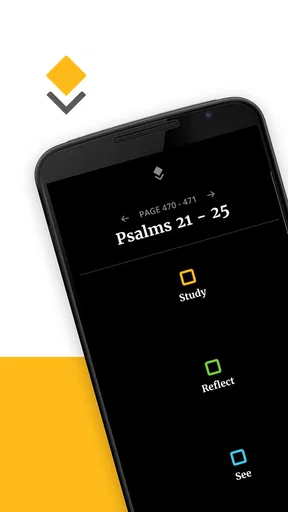
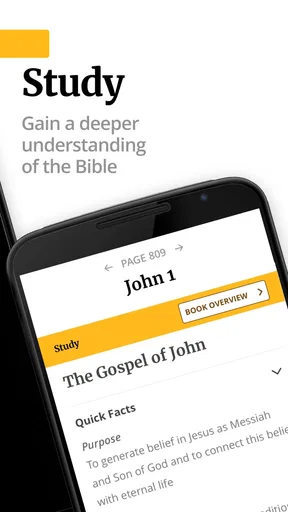
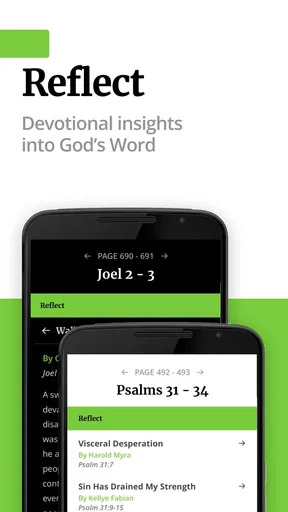
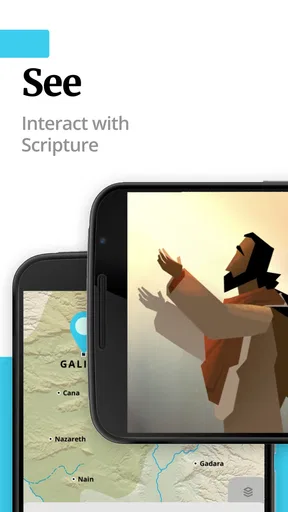
Our Review of Filament Bible
 Analysis by Appyee
Filament Bible is a free Bible reading app from Tyndale House, built around the idea of connecting a printed Bible with digital study material. Its store summary calls it “The Print+Digital Bible,” while the app’s short description uses the name Filament Bible. I found that combination more interesting than a standard reading app because it encourages a slower, more deliberate way to explore Scripture rather than treating the Bible as just another scrolling document.
My first impression was that this is not really trying to replace every Bible tool on your phone. It works best as a companion to a physical Filament Bible, especially if you like underlining, turning paper pages, and keeping a book open while using your phone for background material. That focus gives it a clear personality, but it also creates the main question for long-term use: will the digital side become part of a lasting routine, or will it feel exciting for a week and then remain untouched?
What the first week feels like
The first week is where the app has its strongest appeal. Instead of opening with a large library of unrelated study tools, the experience is tied to the reading process. I can imagine reading a passage in the printed Bible, then moving to the app when I want more context, explanations, or devotional support. That physical-to-digital movement feels more intentional than opening a phone app automatically whenever I want a verse.
This makes Filament Bible particularly appealing for someone starting a regular Bible habit. A new reader can begin with the printed page and use the digital material as a guide when a passage feels unfamiliar. It also suits a small group member who wants to prepare before a meeting without carrying several reference books. The phone becomes a supporting tool rather than the entire reading environment.
There is a useful psychological difference here. A conventional Bible app often invites quick searches: type a phrase, read a verse, close the app. Filament Bible encourages a broader session because its purpose is connected to a complete reading experience. That does not automatically make every session deeper, but it can help me slow down and ask better questions about what I am reading.
During an ordinary morning, I would use it in a simple sequence. I might read a chapter from the printed Bible with a pencil nearby, mark a sentence that stands out, and then open the app to explore the related material. Rather than copying every thought into a separate notes app, I would keep the paper markings for personal reflection and use the digital side for explanation and follow-up. This division keeps the routine manageable.
The app is also approachable for families. The content rating is Everyone, so it is suitable for a broad household audience. That does not mean every interpretation will suit every reader, but it does make the app easier to introduce during shared reading without treating it as an adult-only reference tool.
One practical tip is to avoid trying to consume everything immediately. The first week can become overloaded if I treat every available study element as required homework. I get more from the app when I read the passage first, identify one or two genuine questions, and then use the digital material to investigate those questions. That approach turns the app from a content pile into a focused companion.
The connection with print is also a trade-off. If I already own a compatible Filament Bible, the concept makes sense and feels distinctive. If I only want a self-contained Bible on my phone, the app may not feel as natural as a traditional digital Bible with quick search, bookmarks, and multiple translations. The first-week experience is therefore strongest for readers who enjoy combining paper and screen.
Who gets the most from the print-and-digital approach
I would recommend trying it first to people who want more structure around personal Bible reading but do not want to begin with an academic study system. It can also help readers who feel that a plain digital Bible is too bare, yet find full-featured study platforms intimidating. The physical book provides a visible starting point, while the app supplies a second layer when curiosity appears.
It is less convincing for someone whose Bible routine is built around commuting, exercise, or listening. A print-linked workflow naturally assumes that I have the physical book available and am willing to move between two formats. Readers who need a completely hands-free experience, or who prefer to keep every note and highlight inside one digital library, may be better served by a conventional Bible app.
Another important distinction is between occasional curiosity and a genuine reading habit. If I open the app only to look up isolated verses, much of its value is lost. Its strongest use is passage-based: read, pause, investigate, and return to the text. That requires a little more time than a quick search, but it is also why the app can feel more meaningful during the first few sessions.
Why it can remain useful after the novelty
The long-term value depends on whether the app becomes part of a repeatable rhythm. I do not think its lasting appeal comes from opening it every day just to browse. It comes from giving different kinds of reading a dependable place: personal study, preparation for a discussion, revisiting a difficult book, or following a theme across several passages.
For month-to-month use, I would create a modest routine rather than an ambitious plan. One session could focus on reading a passage in the printed Bible, another on reviewing material connected with a book I have recently finished, and a third on preparing questions for a group conversation. This prevents the digital content from becoming a one-time tour and gives it recurring jobs.
A less obvious strength is that the print-and-digital pairing can support different speeds of reading. I can read quickly when I want an overview, then return to selected passages when I have more time. The paper copy helps me remember where a passage sits physically, while the app gives me a way to dig further without filling the page with notes. That balance is useful for readers who dislike choosing between a clean printed Bible and detailed study.
It can also support seasonal use. Someone might use the app more heavily while beginning a new reading plan, preparing for a study group, or exploring a book they have always found difficult. It does not need to dominate every day to justify its place. A tool that is genuinely helpful several times a month can be more sustainable than one that demands constant attention and eventually becomes tiring.
The app’s audience size suggests that it has reached beyond a tiny experiment: it has passed one hundred thousand installs, and its average rating is 4.1 from around one thousand one hundred ratings. I read that as a sign of useful but not universal appeal. The concept clearly works for many readers, while the middling average also fits my impression that the print connection will feel either thoughtfully integrated or inconvenient depending on personal habits.
When comparing it with the usual alternatives, I see three different purposes. A standard Bible app is usually better for speed: searching a word, switching passages, bookmarking a verse, or reading without a physical book. A dedicated study platform is usually better for depth and breadth when I need extensive reference material. Filament Bible occupies the middle ground, offering a guided bridge between printed reading and digital support.
That middle position is its advantage and its limitation. It is less cluttered than a large research platform, but it may not satisfy someone who wants every scholarly resource in one place. It is more connected to a physical reading experience than a basic Bible app, but it is less convenient when I am away from my printed Bible. I would choose it for reflection and context, not as my only Bible utility.
Maintenance without turning faith into an app project
The maintenance burden appears relatively light if I keep the workflow simple. I do not need to build a complicated database of notes or spend time customizing an elaborate dashboard to benefit from the concept. The main maintenance task is behavioral: remember to bring the app into the reading session instead of letting the printed Bible and phone become separate habits.
That sounds minor, but it matters. If I read only on paper, I may forget the digital companion exists. If I use only the app, I lose the distinctive reason to choose Filament Bible over a conventional mobile Bible. The most effective routine is to keep the two together in the same place, such as beside a reading chair or in a study bag. This small environmental cue is more useful than relying on motivation.
I would also avoid opening the app before deciding what I want from the session. Phones are full of distractions, and a study tool can easily become another doorway into unrelated notifications or browsing. Reading the passage first gives the session a clear center. Then I can use the app for a specific purpose instead of allowing the screen to dictate the pace.
For group study, a helpful workflow is to write down questions on paper before checking the digital content. That preserves personal observation and prevents the app from supplying an answer before I have formed my own understanding. Afterward, I can compare my notes with the supporting material and bring the questions that remain to the group. This makes the app a preparation aid rather than a substitute for conversation.
Version 4.1.8 is the current version, and the app runs on Android 7.0 or later. That relatively broad operating-system requirement makes it accessible to people using older Android devices, although the quality of the experience will still depend on the phone itself and how comfortable the user is with switching between print and screen. The app is free, which lowers the barrier to trying it, but free access alone does not remove the need for a compatible reading habit.
Because it is a reference and reading app rather than a game or social feed, maintenance is not about chasing streaks or returning for constant updates. That is positive for me. The recurring value comes from the material being relevant to what I am reading now. If I stop reading, the app naturally becomes less useful; it does not manufacture a reason to open it.
Where fatigue can set in
The first source of fatigue is repetition in the physical workflow. Reaching for a printed Bible, unlocking a phone, finding the matching material, and moving back to the page is more effort than opening one digital app. On a busy morning, that friction may be enough to make me choose the simpler option. The app rewards patience, but it does not eliminate the cost of a two-part setup.
A second issue is that the digital layer can compete with the text. If I spend too long exploring supporting material, I may remember the explanation more clearly than the passage itself. This is not a flaw unique to Filament Bible, but the app’s strength makes the risk more noticeable. The best safeguard is to return to the printed text after each digital detour and ask whether the extra information actually improved my reading.
There is also a possible mismatch between expectation and purpose. Someone downloading it because they want a universal Bible replacement may wonder why the print connection matters so much. That user may prefer a conventional mobile Bible with faster navigation and a more self-contained design. I would not choose Filament Bible for emergency verse lookup, rapid comparison, or a completely paperless routine.
Readers with a strongly established study system may find the app unnecessary. If I already have a preferred printed Bible, a separate note-taking method, and a digital reference library that I use consistently, adding another layer could create duplication. The app makes the most sense when it fills a gap: I want more help than a printed Bible provides, but I do not want the complexity of a large research platform.
Another fatigue point is personal interpretation. Supporting material can guide attention, but it should not replace careful reading or make difficult passages appear simpler than they are. I would treat the app as a helpful companion and conversation starter, not as the only authority I consult. That distinction becomes especially important for readers working through theological questions where multiple perspectives deserve consideration.
Even the app’s positive rating profile points to a realistic conclusion: it is well liked by a meaningful audience, but it is not a universal solution. Around three hundred eight written reviews and a 4.1 average show enough user response to take seriously, while also suggesting that convenience and fit matter as much as the idea itself. I would test it during a normal week rather than judging it after one impressive session.
My long-term verdict
After the initial novelty fades, Filament Bible earns lasting space for a specific kind of reader: someone who enjoys a printed Bible and wants digital help without abandoning the physical reading experience. Its strongest contribution is not simply putting Bible content on a phone. It creates a repeatable bridge between slow reading and guided exploration, and that bridge can support a durable habit when I use it with purpose.
I would recommend it to a friend who says, “I want to understand what I am reading, but I do not want to turn Bible study into a technical project.” The free price makes experimentation easy, the Everyone rating keeps it broadly approachable, and Tyndale House gives the app a clear publishing identity. The fact that it has been available since September 5, 2018, also places it beyond the stage of being a brand-new novelty.
My recommendation comes with a condition: keep the routine small. Read the passage on paper, choose a question, use the app to explore it, and return to the passage. That four-step pattern is more sustainable than trying to absorb every digital resource in one sitting. It also protects the main benefit of the app, which is the relationship between the printed page and the supporting screen.
If I wanted one app for every Bible task, I would choose a more conventional digital Bible. If I wanted an extensive academic library, I would look for a dedicated study platform. If I wanted a reading experience that respects the physical book while adding a practical layer of context, Filament Bible would be my choice. Its lasting value is focused rather than universal, and that focus is exactly what keeps it from feeling like another disposable app.
In my experience, it is best judged not by how much it offers during the first enthusiastic week, but by whether it helps me return to the text during an ordinary month. For readers who can accept the extra movement between paper and phone, the answer can be yes. For readers who want speed, portability, or a fully digital library, the friction will probably outweigh the appeal. Filament Bible is worth keeping when the print-and-digital habit becomes part of your reading life, not merely something you try once.
Verdict
Strengths of Filament Bible
- Clear, readable Bible text with helpful study resources.
- Supports personal notes, highlights, and bookmarks for study.
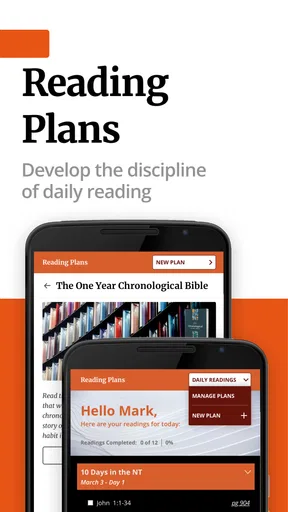
- Useful reading plans encourage consistent Bible reading.
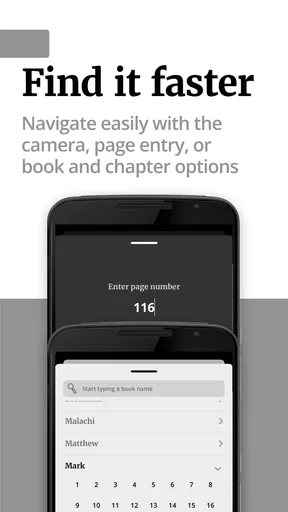
- Clean interface makes navigation between books and chapters simple.
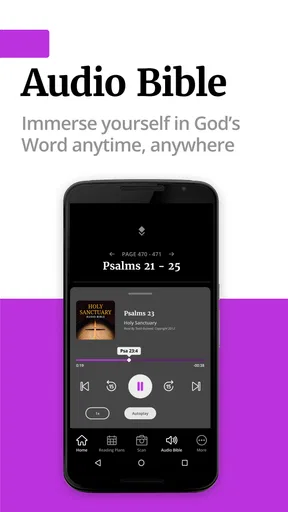
- Audio Bible options can make Scripture accessible while multitasking.
Limitations of Filament Bible
- Some advanced study tools may require a paid subscription.
- The number of available translations can vary by language and region.
- Audio playback may use significant mobile data without downloads.
- Syncing notes and progress depends on a reliable account connection.
- New users may need time to learn the app’s study features.
Similar Picks in This Category
View All
Google Play Books & Audiobooks
Google LLC4.7

네이버 - NAVER
NAVER Corp.3.5

Wattpad - Read & Write Stories
Wattpad.com3.7

King James Bible - Verse+Audio
Ozion4.8

Bible Offline-KJV Holy Bible
Bíblia Offline4.9

Amazon Kindle: Reading App
Amazon Mobile LLC4.8
Frequently Asked Questions
What is Filament Bible, and how does it work?
Filament Bible is a study-focused Bible app designed to help readers understand Scripture through additional explanations, notes, articles, maps, timelines, and other learning resources. Instead of offering only the biblical text, it connects passages with supporting material intended to provide historical, cultural, and theological context. It is especially useful for readers who want more guidance while studying individual books or verses.
Does Filament Bible include the complete Bible text?
The Filament experience is generally connected to the Filament Bible study system and may depend on the Bible edition or resources being used. Before downloading, users should check the app listing and in-app information to confirm which translations and books are available in their region. Some features may also work alongside a compatible Filament Bible print edition, so availability can vary by platform and edition.
Is Filament Bible free to download and use?
Filament Bible may be available to download without an upfront charge, but users should review the current store listing for possible subscriptions, in-app purchases, or content restrictions. Certain study materials, translations, or advanced features may require access through a compatible product or paid option. Checking the pricing details before creating an account or purchasing resources can help avoid unexpected costs.
Can I use Filament Bible offline?
Offline functionality may depend on the specific content and version of Filament Bible installed on your device. Some downloaded resources may remain accessible without an internet connection, while online study materials, account functions, updates, or linked content can require connectivity. If offline reading is important to you, test the app after installation and download any available resources while connected to Wi-Fi.
Who would benefit most from using Filament Bible?
Filament Bible is a good choice for readers who want more than a basic digital Bible and appreciate explanations placed alongside their reading experience. Beginners may find the background information helpful when encountering unfamiliar passages, while experienced readers can use the maps, notes, and study references for deeper exploration. It may be less suitable for users seeking only a lightweight Bible reader with minimal extra content.
